

Guidelines
Guidance for post-incident environmental monitoring and impact assessment
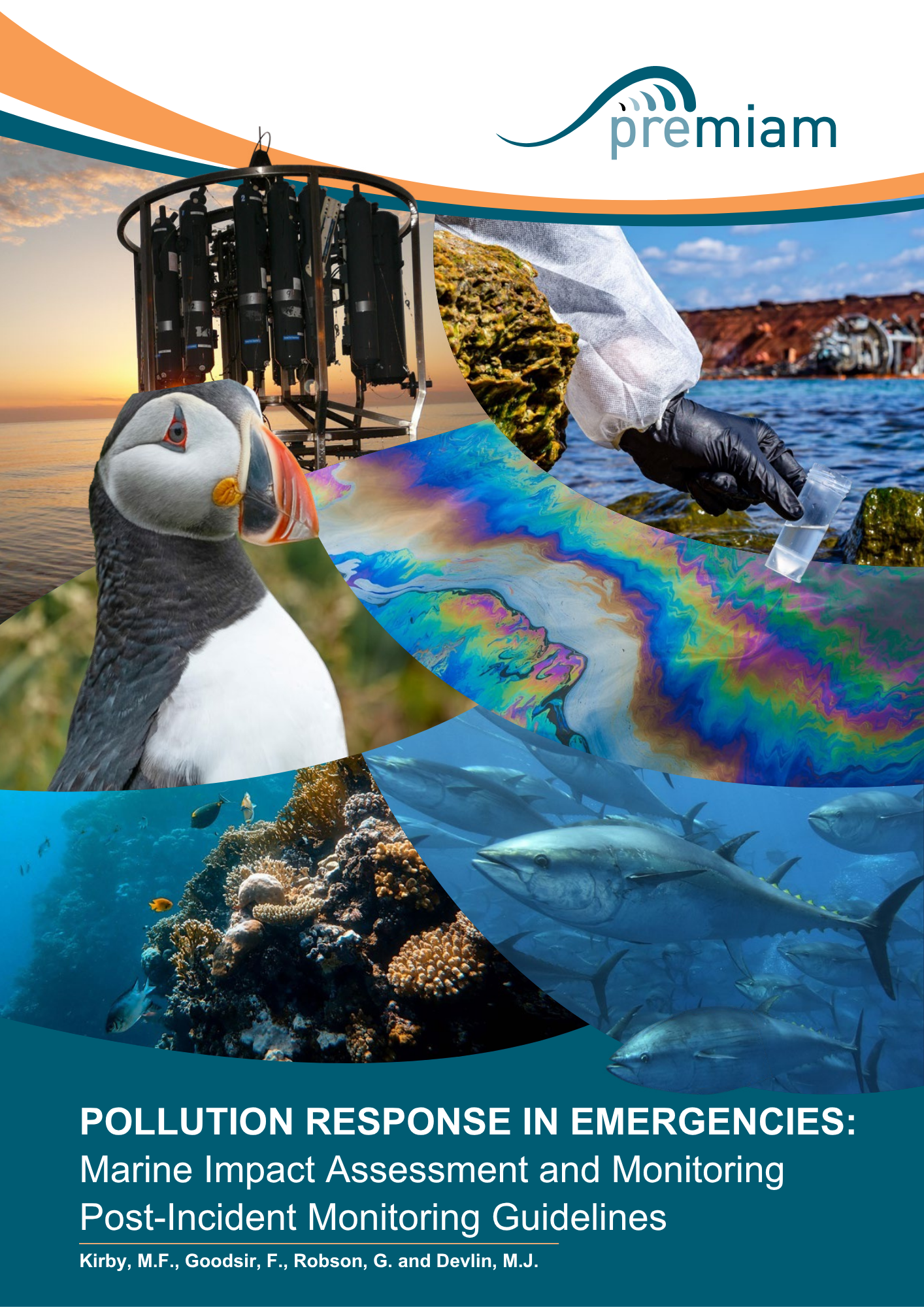
The PREMIAM Guidelines provide practical, science-based guidance for the design and coordination of environmental monitoring and impact assessment following marine pollution incidents.
They are designed to support those responsible for planning, coordinating and delivering monitoring, helping to ensure that the right evidence is collected, using appropriate methods and tools, to understand environmental impacts and inform decision-making.
The Guidelines can be used during an incident and as a resource for pre-planning and preparedness, helping organisations establish the knowledge, capability and arrangements needed to implement effective monitoring when an incident occurs.
The Third Edition
The Third Edition of the PREMIAM Guidelines builds on more than a decade of experience in post-incident environmental monitoring and impact assessment.
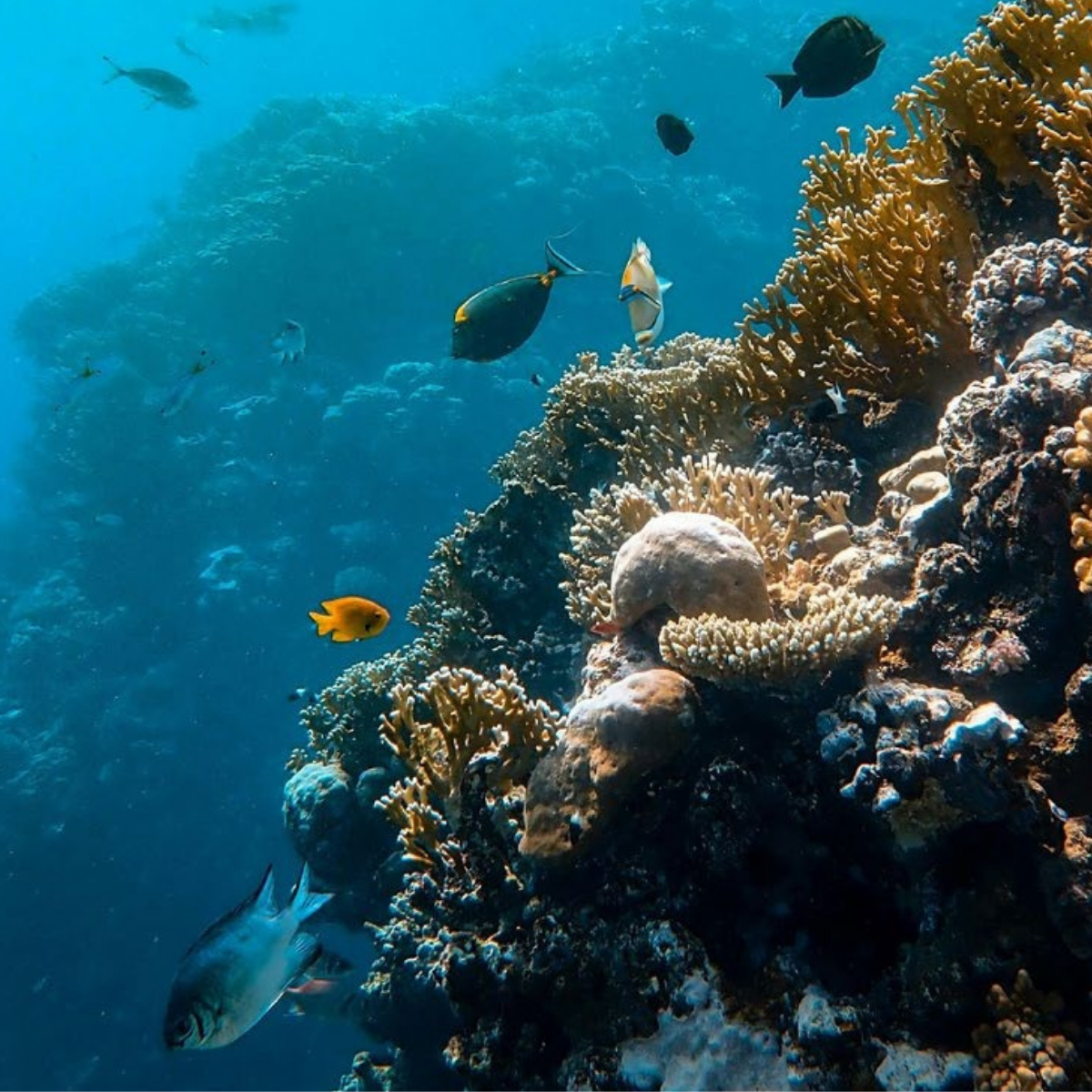
The updated Guidelines reflect developments in science and technology and evolving approaches to environmental monitoring and impact assessment. Their scope has also been broadened to support application across a wider range of marine environments and geographical settings, including tropical and polar regions.
Together, these updates provide practical, science-based guidance to support the design and delivery of proportionate, coordinated and scientifically robust environmental monitoring and impact assessment following marine pollution incidents.
What do the Guidelines help you do?
The PREMIAM Guidelines support the development of an effective environmental monitoring programme by addressing the fundamental questions:
- Why do we need to monitor?
- When do we need to monitor?
- What do we monitor?
- Where do we monitor?
- How frequently do we monitor?
- When should monitoring stop?
They also provide guidance on survey design, coordination and an integrated approach, helping ensure that monitoring activities contribute to a coherent understanding of the environmental consequences of an incident.
From planning to evidence: The Guidelines take users through the key stages and considerations involved in post-incident environmental monitoring and impact assessment.
Monitoring principles and survey planning: Guidance on establishing monitoring objectives, baseline data and information, survey design, site selection and appropriate statistical considerations.
Sample collection and management: Practical considerations for sampling, sample preparation, labelling and tracking, transport and storage to help maintain the quality and integrity of environmental evidence.
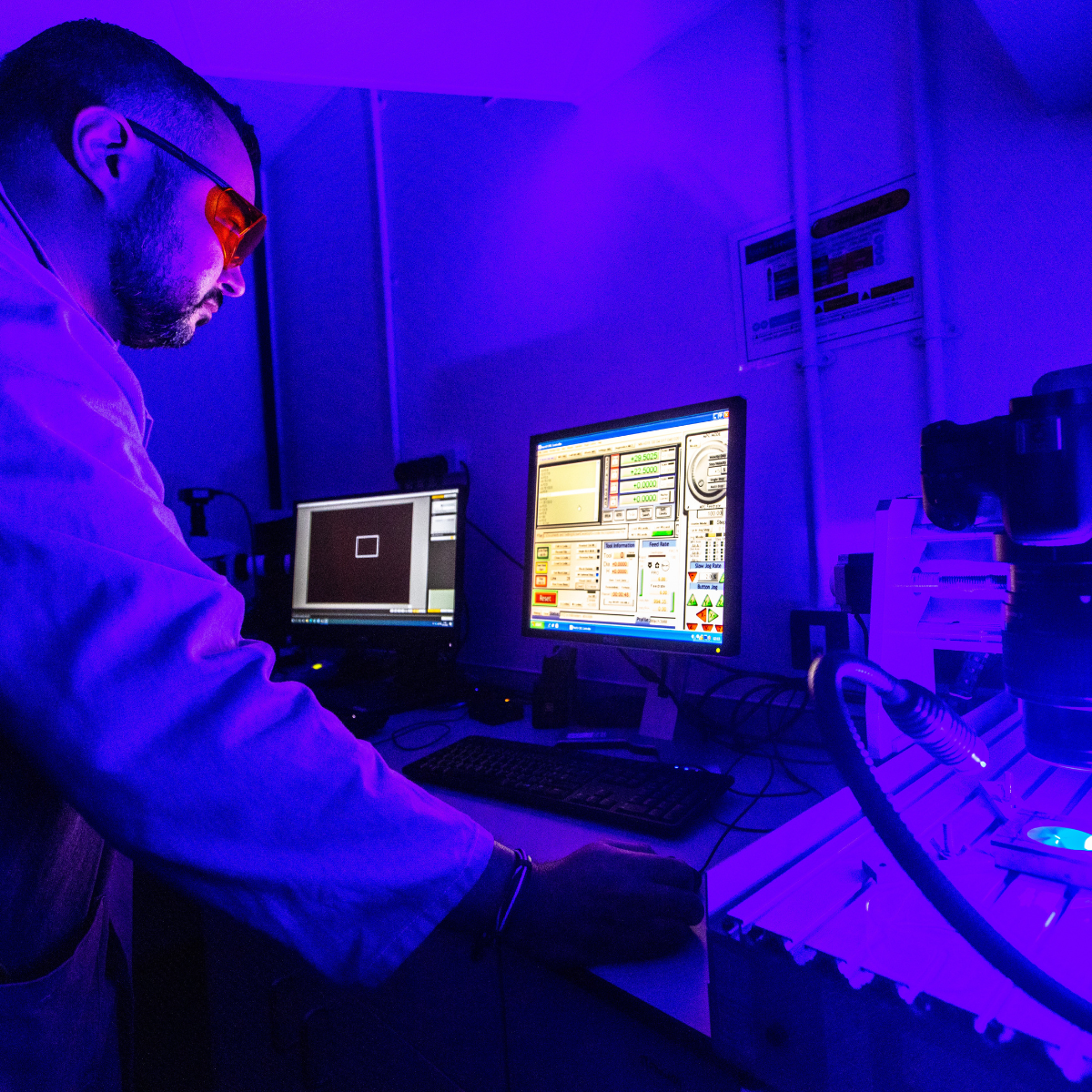
Scientific methodologies: Guidance on the range of techniques, methodologies and tools that may contribute to environmental monitoring and impact assessment, including:
- chemical analysis;
- ecotoxicology;
- ecological assessment;
- habitats and wildlife;
- modelling;
- remote sensing;
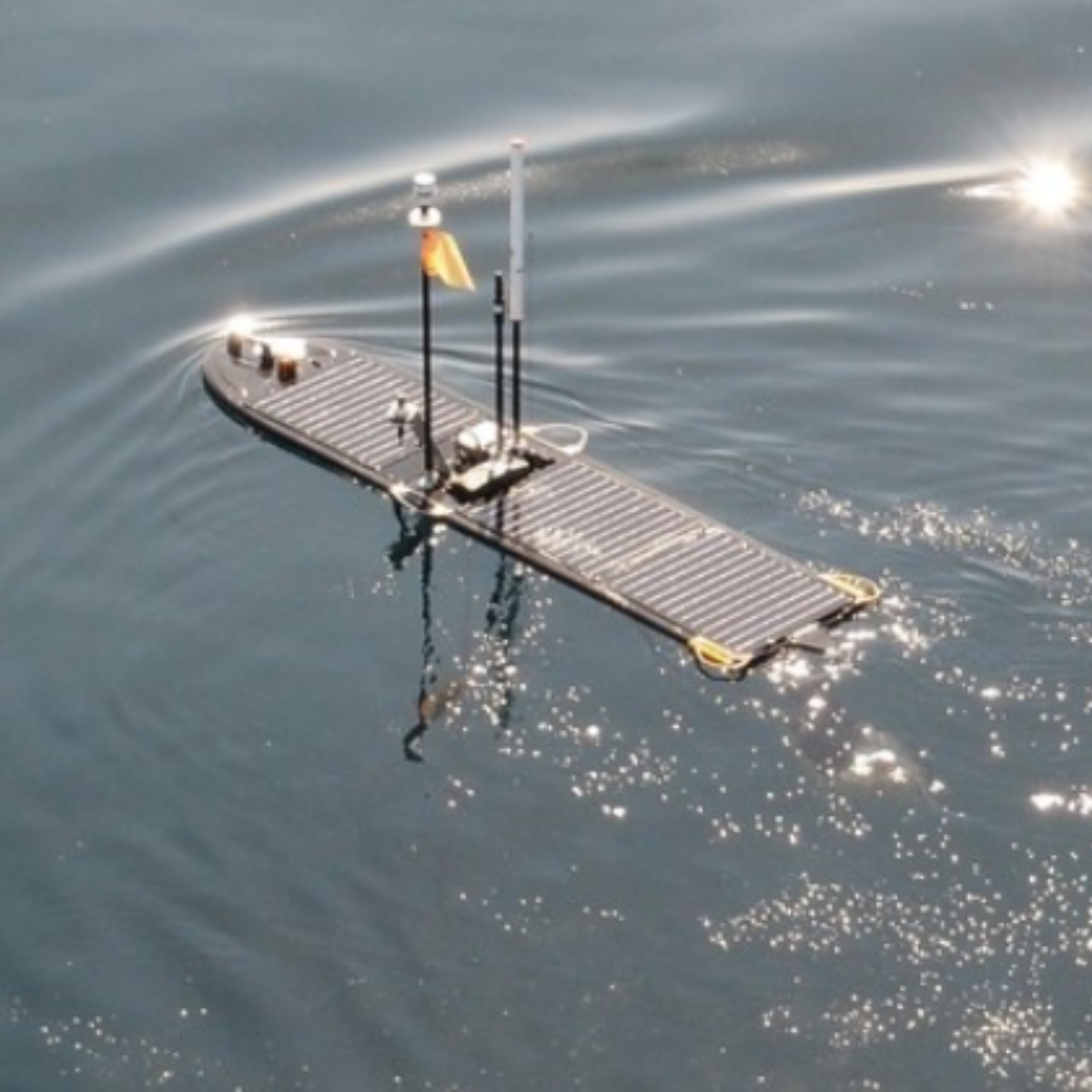
- autonomous platforms; and
- other relevant monitoring technologies.
Data quality and management: Good monitoring depends on good data. The Guidelines consider data quality, quality control and management to help ensure that evidence is robust, traceable and suitable for interpretation.
Communications and reporting: Effective communication is an important part of post-incident monitoring. The Guidelines provide advice on communicating monitoring objectives, activities, findings and environmental evidence to those involved in the response and wider stakeholders.
Supporting a coordinated response: The Guidelines also provide information and supporting resources for the coordination of post-incident environmental monitoring, including the PREMIAM Monitoring Coordination Cell (PMCC).
The PMCC provides a mechanism for bringing together relevant organisations and expertise to support the coordination and integration of environmental monitoring following significant marine pollution incidents.
Preparedness matters
The value of the PREMIAM Guidelines extends beyond their use during an incident.
Using the Guidelines for pre-planning, training and preparedness can help organisations understand their potential role, identify available expertise and capability, consider monitoring requirements in advance and build the relationships needed for an effective response.
Being prepared helps ensure that, when an incident occurs, environmental monitoring can begin quickly and generate the high-quality scientific evidence needed to understand impacts and support environmental decision-making.
Access the Guidelines
Download the Third Edition PREMIAM Guidelines for post-incident environmental monitoring and impact assessment.
You can also explore the wider PREMIAM website for supporting resources, information on the programme and details of the PREMIAM partnership.