Annual statistics for regulated scientific procedures performed on protected animals 2025
In the UK, research with protected (sentient) animals that has the potential to cause suffering is regulated under the Animals (Scientific Procedures) Act 1986 (Amended Regulations 2012), usually referred to as ASPA. This regulation requires researchers to minimise animal use and suffering, and to report the number of procedures performed and the severity of any associated harms to the Home Office. As a signatory of the Concordat on Openness on Animal Research, Cefas is publishing its statistics on the use of animals in regulated scientific procedures in 2025 (Table 1), with additional tables to enable comparison to previous years (Tables 2 and 3).
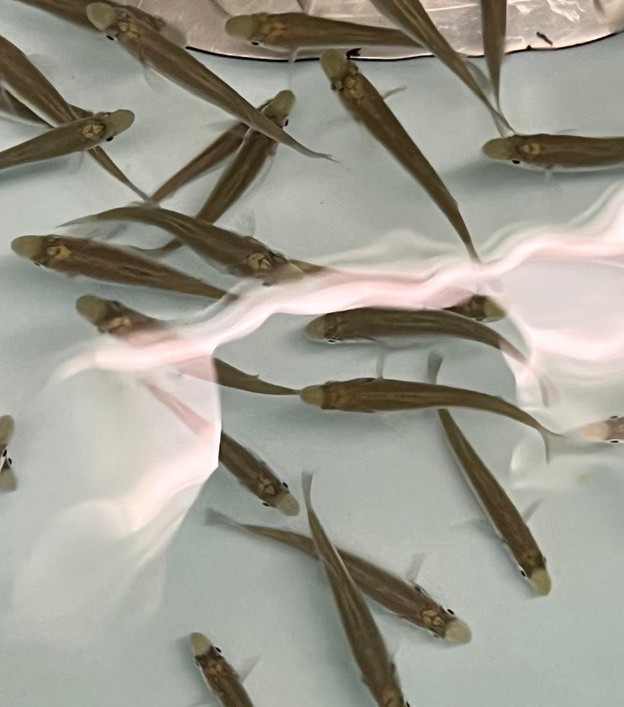
Cefas conducts applied research using aquatic animals which aims to: protect wild populations, biodiversity and the environment; and reduce disease and improve welfare in cultured stocks. In support of these aims, in 2025 Cefas carried out 1,544 scientific procedures that had the potential to cause suffering to the individual fish (Table 1). Six species were used (Table 1). Three-spined stickleback, an environmentally relevant species, were used in the development of new approach methodologies for endocrine disrupting chemicals. European seabass were used to assess chlorine toxicity on marine fish species, relevant to anti-fouling practices in nuclear power stations. Rainbow trout and grayling were used to investigate susceptibility to an exotic viral disease. Individual European eel and European smelt were tagged to study their natural behaviour and movements in the wild.
There is variation between years in the species used and numbers of procedures (Table 2). The total number of procedures in 2025 was similar to totals since 2019 (Table 2), after decreases from 2016 to 2019. Annual fluctuations largely reflect changes in laboratory and field research programmes, with some work being limited by COVID-19 restrictions in 2020 and 2021.
The most common severity reported in 2025 was mild, with 921 of the 1,544 procedures (60%, Table 3). These mild procedures represent fish exposed to chemicals or pathogens that did not display any adverse effects, and eels that were externally tagged and had a tissue sample collected for stable isotope analysis. Fish that displayed signs of suffering or abnormal behaviour were reported as moderate (16%) or severe (3%), depending upon the departure from normality and its duration. Sub-threshold (21%) reflects negative control fish that were not exposed to chemicals or pathogens.
Cefas maintains a culture of care, supported by its Animal Welfare and Ethical Review Bodies which ensure all protected animal use is justified. Researchers optimise numbers used via appropriate experimental designs and minimise suffering by implementing humane end-points and frequent monitoring. We incorporate environmental enrichment into laboratory tanks where appropriate. Cefas researchers are active in the implementation and promotion of the 3Rs (Replacement, Refinement & Reduction) of animal use in research. In 2025, Cefas contributed to the RSPCA “Focus on fish” meeting by presenting “Working in an aquatic, multi-species laboratory”.
Cefas has not conducted regulated work with cephalopods, which are protected under ASPA. Cefas has intermittent programmes of field and laboratory research with decapod crustaceans. Decapods are not protected under ASPA but are recognised in the Animal Welfare (Sentience) Act 2022. Cefas responded to the Home Office’s “Decapods: call for evidence” in 2023, and we will report statistics on decapod use if they become protected under ASPA.
Table 1: Cefas use of protected animals within regulated scientific procedures in 2025 by actual severity level. Number of individual procedures by species. Names are according to the FAO’s ASFIS List of Species for Fishery Statistics Purposes.
|
Common name |
Scientific name |
Sub-threshold |
Non-recovery |
Mild |
Moderate |
Severe |
Total |
% |
|
Three-spined stickleback |
Gasterosteus aculeatus |
116 |
0 |
416 |
46 |
46 |
624 |
40% |
|
European seabass |
Dicentrarchus labrax |
90 |
0 |
240 |
0 |
0 |
330 |
21% |
|
Rainbow trout |
Oncorhynchus mykiss |
60 |
0 |
60 |
119 |
1 |
240 |
16% |
|
Grayling |
Thymallus thymallus |
60 |
0 |
98 |
77 |
5 |
240 |
16% |
|
European eel |
Anguilla anguilla |
0 |
0 |
107 |
0 |
0 |
107 |
7% |
|
European smelt |
Osmerus eperlanus |
0 |
0 |
0 |
3 |
0 |
3 |
0% |
|
Total for all species |
Total for all species |
326 |
0 |
921 |
245 |
52 |
1,544 |
100% |
|
Percentage (%) |
% |
21% |
0% |
60% |
16% |
3% |
100% |
Table 2: Cefas use of protected animals within regulated scientific procedures 2016 to 2025 by species. Number of individual procedures by species and year. Names are according to the FAO’s ASFIS List of Species for Fishery Statistics Purposes.
|
Common name |
Scientific name |
2016 |
2017 |
2018 |
2019 |
2020 |
2021 |
2022 |
2023 |
2024 |
2025 |
Annual average |
|
Atlantic salmon |
Salmo salar |
4,568 |
707 |
983 |
0 |
457 |
2,490 |
0 |
22 |
638 |
0 |
987 |
|
Sea trout |
Salmo trutta |
4,549 |
3,756 |
554 |
0 |
0 |
25 |
0 |
0 |
0 |
0 |
888 |
|
Ballan wrasse |
Labrus bergylta |
0 |
1,041 |
2,338 |
0 |
0 |
0 |
0 |
0 |
0 |
0 |
338 |
|
Rainbow trout |
Oncorhynchus mykiss |
36 |
882 |
0 |
47 |
1,293 |
845 |
0 |
0 |
0 |
240 |
334 |
|
Common carp |
Cyprinus carpio |
590 |
160 |
120 |
316 |
84 |
234 |
480 |
0 |
0 |
0 |
198 |
|
European seabass |
Dicentrarchus labrax |
309 |
573 |
68 |
476 |
51 |
34 |
0 |
0 |
0 |
330 |
184 |
|
Three-spined stickleback |
Gasterosteus aculeatus |
0 |
0 |
142 |
285 |
0 |
0 |
0 |
0 |
730 |
624 |
178 |
|
European eel |
Anguilla anguilla |
1,297 |
204 |
68 |
0 |
0 |
0 |
0 |
25 |
0 |
107 |
170 |
|
Lumpfish |
Cyclopterus lumpus |
0 |
0 |
0 |
239 |
408 |
448 |
0 |
0 |
0 |
0 |
110 |
|
Eurasian minnow |
Phoxinus phoxinus |
0 |
0 |
1,006 |
0 |
0 |
0 |
0 |
0 |
0 |
0 |
101 |
|
Zebrafish(=Zebra danio) |
Danio rerio |
0 |
0 |
0 |
0 |
0 |
0 |
879 |
0 |
0 |
0 |
88 |
|
Bullhead |
Cottus gobio |
0 |
0 |
802 |
0 |
0 |
0 |
0 |
0 |
0 |
0 |
80 |
|
Coho(=Silver) salmon |
Oncorhynchus kisutch |
0 |
0 |
0 |
0 |
0 |
0 |
0 |
0 |
588 |
0 |
59 |
|
Grayling |
Thymallus thymallus |
34 |
21 |
15 |
0 |
0 |
0 |
0 |
0 |
0 |
240 |
31 |
|
Tench |
Tinca tinca |
0 |
0 |
0 |
0 |
0 |
0 |
240 |
0 |
0 |
0 |
24 |
|
Rudd |
Scardinius erythrophthalmus |
0 |
0 |
0 |
0 |
0 |
0 |
240 |
0 |
0 |
0 |
24 |
|
Orfe(=Ide) |
Leuciscus idus |
0 |
0 |
0 |
0 |
0 |
0 |
240 |
0 |
0 |
0 |
24 |
|
Chub |
Squalius cephalus |
0 |
160 |
2 |
0 |
0 |
0 |
0 |
0 |
0 |
0 |
16 |
|
European smelt |
Osmerus eperlanus |
50 |
0 |
0 |
79 |
12 |
18 |
0 |
0 |
0 |
3 |
16 |
|
Barbel |
Barbus barbus |
0 |
160 |
0 |
0 |
0 |
0 |
0 |
0 |
0 |
0 |
16 |
|
Turbot |
Scophthalmus maximus |
0 |
84 |
56 |
0 |
0 |
0 |
0 |
0 |
0 |
0 |
14 |
|
Starry smooth-hound |
Mustelus asterias |
0 |
14 |
99 |
12 |
0 |
0 |
0 |
0 |
0 |
0 |
13 |
|
Goldfish |
Carassius auratus |
0 |
0 |
120 |
0 |
0 |
0 |
0 |
0 |
0 |
0 |
12 |
|
Thornback ray |
Raja clavata |
0 |
51 |
0 |
51 |
0 |
0 |
0 |
0 |
0 |
0 |
10 |
|
Atlantic bluefin tuna |
Thunnus thynnus |
0 |
0 |
0 |
4 |
19 |
13 |
14 |
25 |
0 |
0 |
8 |
|
Undulate ray |
Raja undulata |
0 |
0 |
65 |
5 |
0 |
0 |
0 |
0 |
0 |
0 |
7 |
|
Small-eyed ray |
Raja microocellata |
0 |
0 |
0 |
65 |
3 |
0 |
0 |
0 |
0 |
0 |
7 |
|
Blonde ray |
Raja brachyura |
0 |
0 |
0 |
1 |
61 |
0 |
0 |
0 |
0 |
0 |
6 |
|
Picked dogfish |
Squalus acanthias |
0 |
0 |
0 |
1 |
0 |
43 |
0 |
0 |
0 |
0 |
4 |
|
Stone loach |
Barbatula barbatula |
0 |
0 |
39 |
0 |
0 |
0 |
0 |
0 |
0 |
0 |
4 |
|
Roach |
Rutilus rutilus |
0 |
3 |
26 |
0 |
0 |
0 |
0 |
0 |
0 |
0 |
3 |
|
Sea lamprey |
Petromyzon marinus |
0 |
28 |
0 |
0 |
0 |
0 |
0 |
0 |
0 |
0 |
3 |
|
European brook lamprey |
Lampetra planeri |
0 |
0 |
18 |
0 |
0 |
0 |
0 |
0 |
0 |
0 |
2 |
|
Spotted ray |
Raja montagui |
0 |
0 |
0 |
0 |
17 |
0 |
0 |
0 |
0 |
0 |
2 |
|
European perch |
Perca fluviatilis |
0 |
0 |
8 |
0 |
0 |
0 |
0 |
0 |
0 |
0 |
1 |
|
Northern pike |
Esox lucius |
0 |
3 |
3 |
0 |
0 |
0 |
0 |
0 |
0 |
0 |
1 |
|
Gudgeon |
Gobio gobio |
0 |
0 |
1 |
0 |
0 |
0 |
0 |
0 |
0 |
0 |
0 |
|
Angelshark |
Squatina squatina |
0 |
0 |
0 |
0 |
0 |
1 |
0 |
0 |
0 |
0 |
0 |
|
Total for all species |
Total for all species |
11,433 |
7,847 |
6,533 |
1,581 |
2,405 |
4,151 |
2,093 |
72 |
1,956 |
1,544 |
3,962 |
|
Number of species used |
Number of species used |
8 |
16 |
21 |
13 |
10 |
10 |
6 |
3 |
3 |
6 |
10 |
Table 3: Cefas use of protected animals within regulated scientific procedures 2016 to 2025, percentage of procedures by severity (actual severity for 2018 onwards).
|
Year |
Sub-threshold |
Non-recovery |
Mild |
Moderate |
Severe |
Total |
|
2016 |
1% |
0% |
93% |
6% |
0% |
100% |
|
2017 |
3% |
0% |
84% |
11% |
2% |
100% |
|
2018 |
4% |
0% |
83% |
13% |
0% |
100% |
|
2019 |
16% |
0% |
76% |
7% |
1% |
100% |
|
2020 |
10% |
0% |
36% |
53% |
1% |
100% |
|
2021 |
19% |
0% |
17% |
61% |
3% |
100% |
|
2022 |
17% |
0% |
44% |
12% |
27% |
100% |
|
2023 |
0% |
0% |
35% |
65% |
0% |
100% |
|
2024 |
9% |
0% |
88% |
2% |
1% |
100% |
|
2025 |
21% |
0% |
60% |
16% |
3% |
100% |
Glossary (terms as defined in the Guidance on the Operation of ASPA):
Establishment: “A place holding a licence which has been granted under section 2C of ASPA.”
Project licence: “The regulated procedures to be carried out must be authorised by a ‘project licence’, which specifies the programme of work within which the procedures are being performed”.
Protected animal: “Any living vertebrate, other than man, and any living cephalopod.” “Larval forms of fish and amphibians are protected animals once they are capable of feeding independently. Cephalopods are protected animals from the point when they hatch.”
Regulated procedure: “A procedure is regulated if it is carried out on a protected animal for a scientific or educational purpose and may cause that animal a level of pain, suffering, distress or lasting harm equivalent to, or higher than, that caused by inserting a hypodermic needle according to good veterinary practice.”
Sub-threshold: “below the level of pain, suffering, distress or lasting harm equivalent to that caused by inserting a hypodermic needle according to good veterinary practice”.
Non-recovery: “Procedures which are performed entirely under general anaesthesia from which the animal shall not recover consciousness”.
Mild: “Procedures on animals as a result of which the animals are likely to experience short-term mild pain, suffering or distress, as well as procedures with no significant impairment of the well-being or general condition of the animals”.
Moderate: “Procedures on animals as a result of which the animals are likely to experience short-term moderate pain, suffering or distress, or long-lasting mild pain, suffering or distress as well as procedures that are likely to cause moderate impairment of the well-being or general condition of the animals”.
Severe: “Procedures on animals as a result of which the animals are likely to experience severe pain, suffering or distress, or long-lasting moderate pain, suffering or distress, as well as procedures that are likely to cause severe impairment of the well-being or general condition of the animals”.
Note
Rounding in the tables uses the IEC 60559 standard of “round to the even digit” when rounding 0.5.