Horizon Europe Project, Infinifish: Cefas leads work to enhance fisheries cross-sector technology development and uptake in response to climate impacts
14 January 2026
Cefas is playing a key role in the Horizon Europe project Infinifish – Climate-friendly and resilient fisheries through innovation and co-learning. The project began in June 2025 and brings together leading research institutes, universities, technology providers, fishers, and fisheries managers from across Europe to address the urgent climate-driven challenges facing the fisheries sector.
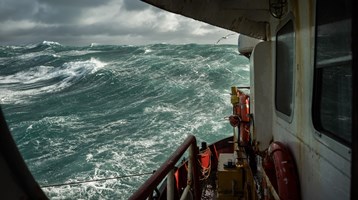
European fisheries are experiencing unprecedented pressure as climate change reshapes marine ecosystems. Shifts in fish distribution, declining biomass, and increasing variability make fishing more unpredictable, with consequences for sustainability, economic stability, and long-term food security. Infinifish responds to these challenges by developing innovative technologies to monitor, mitigate, and adapt to climate impacts while ensuring that solutions are usable, socially relevant, and widely adopted.
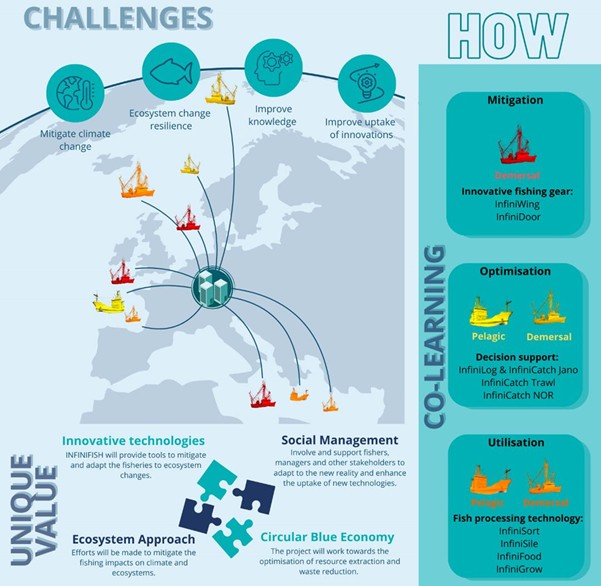
Infinifish will develop and validate technological solutions for the entire fisheries value chain, such as:
- Fishing gear that reduces fuel consumption and resuspension of carbon from the seabed
- Data collection technology to monitor fishing operations, catches, and the environment
- Decision support systems that optimise fishing operations with respect to energy efficiency
- Dish processing technologies that increase resource utilisation efficiency
- Novel products that enable the valorisation of currently discarded resources and new fish species
The project will also investigate the impacts of climate change on ecosystems and fisheries through model studies and identify effective climate change adaptations and mitigation strategies in fisheries management.
Cefas Leading the Way on Co-Learning and Technology Uptake
Cefas is the lead organisation for the Infinifish work package on “Accelerating technology implementation through co-learning.” In this role, Cefas is guiding the project’s approach to ensuring that new technologies are not only developed but also implemented effectively across the fisheries sector.
Central to this effort is the project’s strong emphasis on social science, which is recognised as a core component of Infinifish. Through co-learning, the dynamic process through which fishers, researchers, technology developers, and policymakers jointly generate, share, and apply knowledge to create innovation, the project will help ensure that innovations are understood, trusted, and tailored to the needs of the communities who will use them.
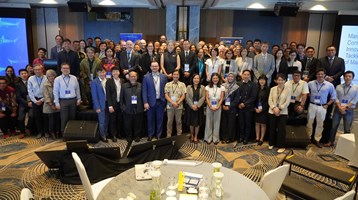
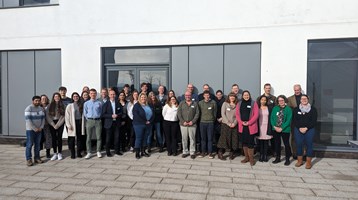
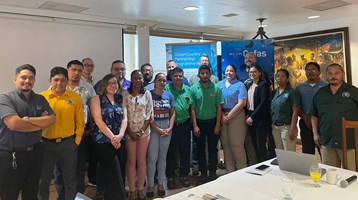
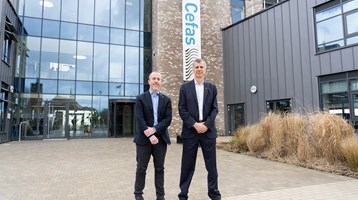
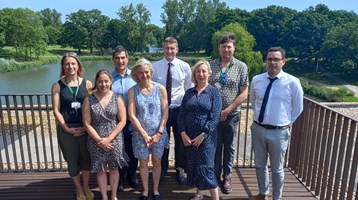
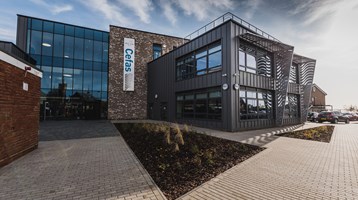
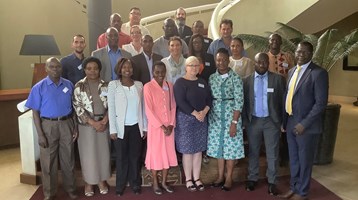
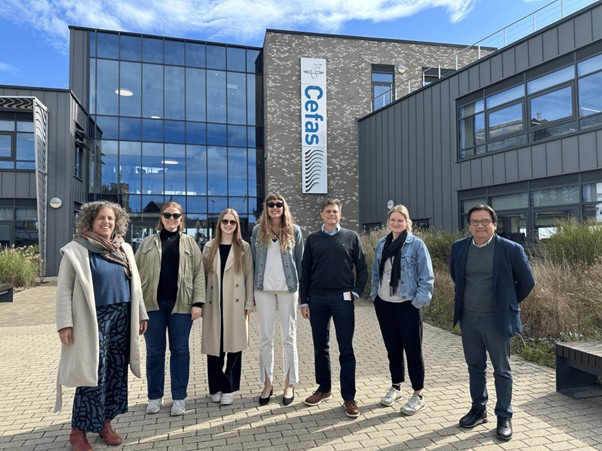
Working with partners from SINTEF Ocean, HCMR, and AZTI , Cefas hosted a planning workshop at its headquarters in Lowestoft, UK. Over two days, partners refined research methodologies and developed engagement strategies to ensure that local stakeholders remain closely connected to the project’s emerging technologies and findings.
Paula Schiefer, Senior Fisheries Anthropologist at Cefas: “Through its leadership of the technology uptake work package, Cefas is playing a key role in Infinifish by bridging the gap between innovation and real-world use. This work helps identify the social, economic and operational factors that influence adoption, making it easier for climate-friendly fishing technologies and other innovations to be used by the fishing industry.”
You can read more about our innovations and our work with stakeholders on the Infinifish website. We will continue to share key outcomes as Infinifish continues until 2029.
News


Further Reading