Recent study maps recreational sea fishing across England and Wales
22 July 2026
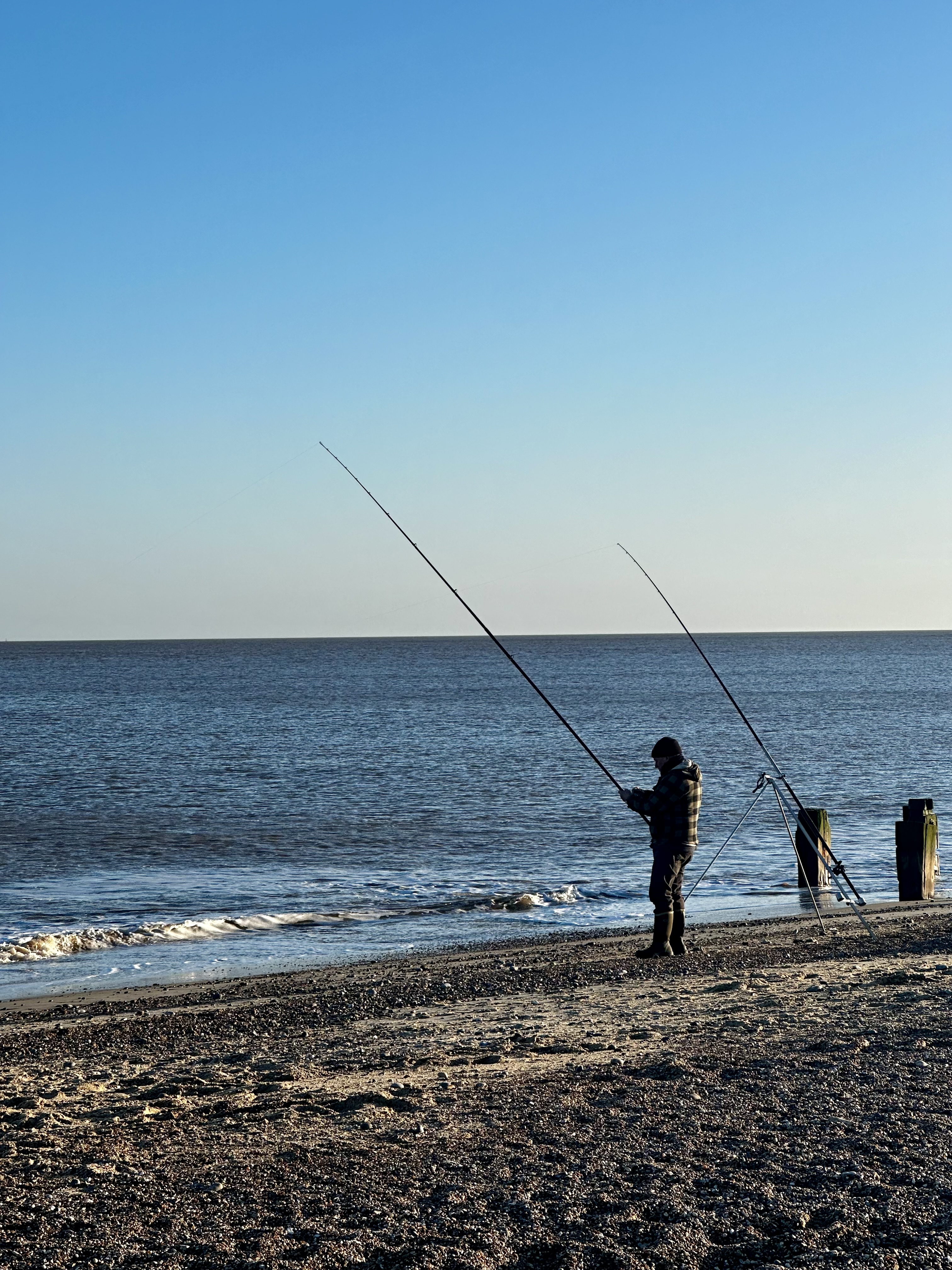
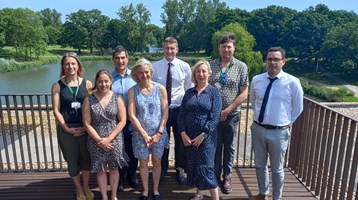
A recent Fishery Industry Science Partnership (FISP) study, Catchwise, delivered by the Angling Trust, the Centre for Environment, Fisheries and Aquaculture Science (Cefas) and Substance, has provided one of the clearest pictures yet of recreational sea fishing in England and Wales, highlighting its importance to coastal communities, the economy and the marine environment.
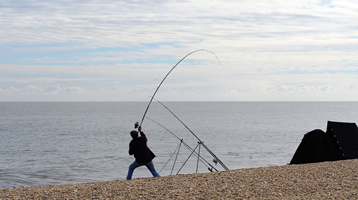
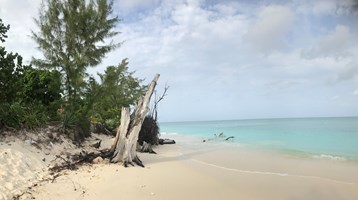
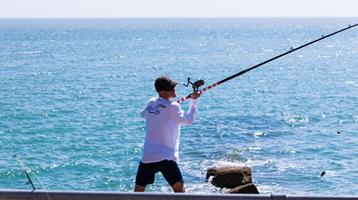
The findings show that shore-based sea anglers made an estimated 2.7 million fishing trips, spending around 11 million hours fishing in 2024. The South West and South East were identified as the busiest regions.
In total, anglers:
- Kept around 5.3 million fish (approximately 2,045 tonnes)
- Returned around 21.6 million fish (approximately 7,040 tonnes)
Some species, such as mackerel, were more likely to be kept, while others like whiting were more often returned to the sea.
Encouragingly, the results are broadly in line with the Sea Angling Diary Project, helping to build confidence in our understanding of recreational fishing. The study also identified some differences for certain species, highlighting the importance of continuing to improve how this activity is monitored.
While data on charter boat fishing was more limited, the findings suggest activity may be lower than previously estimated, although further work is needed to better understand the reasons for this.
Catchwise represents an important step forward in understanding recreational fishing in the UK. By working closely with the angling community, the project provides stronger evidence to support sustainable fisheries management now and into the future.
Zachary Radford, Senior Recreational Fisheries Scientist at Cefas, explained,:
"This project gives us a much clearer understanding of recreational sea fishing than we've ever had before. Perhaps most importantly, it shows that the findings from our independent onsite survey closely match the Sea Angling Diary Project, giving us confidence that the long-term data anglers have helped collect can be trusted. That stronger evidence base will help ensure recreational fishing is properly considered alongside commercial fisheries and conservation when decisions are made about the future of our marine resources."
Rebecca Mills, Senior Researcher at Substance, noted,
"The Catchwise project represents a vital step forward in the way recreational sea angling is understood and evidenced in the UK. By working collaboratively with Cefas and the Angling Trust, this research has strengthened our understanding of sea angling activity and its contribution to local and national economies. Importantly, the findings provide reassurance that existing citizen science data sources offer a reliable picture, strengthening confidence in their use. This improved evidence base will play a key role in supporting more balanced and inclusive fisheries management decisions going forward."
Hannah Rudd, Head of Marine at the Angling Trust added,
"Catchwise is a landmark piece of research that confirms what anglers have long known – recreational sea fishing is hugely important to coastal communities and the wider economy. We're proud to have worked alongside Cefas and Substance on this study, following calls from the sea angling community to ground-truth the Sea Angling Diary, and we're encouraged that the findings align closely with the Sea Angling Diary. Good data is the foundation of good fisheries management, and Catchwise gives us a much stronger evidence base to ensure that the interests of recreational anglers are properly represented in decision-making.
We'd urge any sea angler who wants to play their part in building on this work to sign up to the Sea Angling Diary at seaangling.org."
You can read the full report on the government website.
We would like to thank all the anglers, surveyors, volunteer surveyors, and charter boat skippers who took part in Catchwise. Your time, effort, and willingness to share information have been vital in making this study possible.
Catchwise was funded under Defra's Fisheries Industry Science Partnerships (FISP) scheme ECM66391.
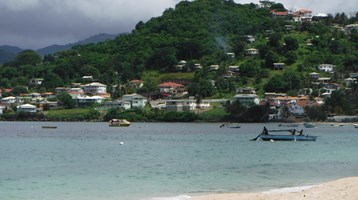
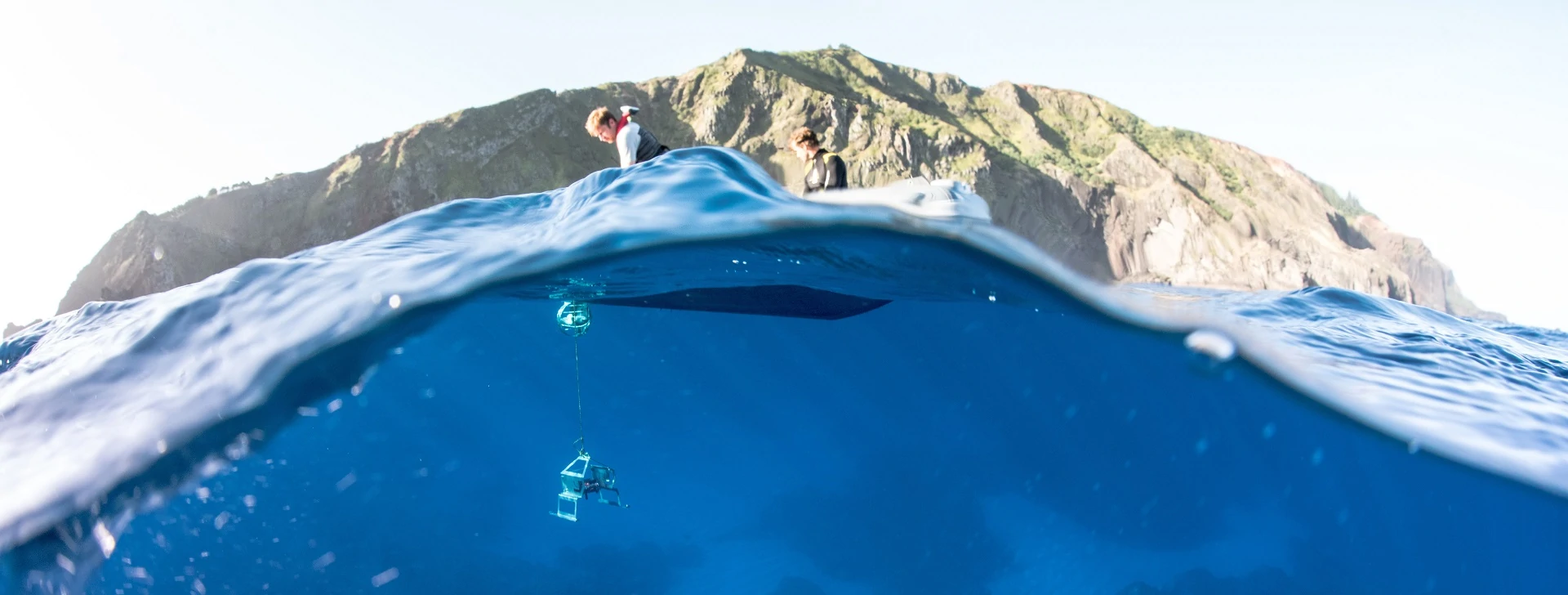
Image credit: Hannah Rudd, the Angling Trust.
News


Further Reading