WaveNet data shows record-breaking sea temperatures around the UK
1 September 2026

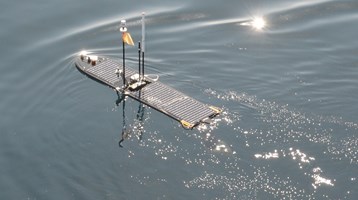
Cefas’ autonomous monitoring buoy network ‘WaveNet’ has recorded unusually warm seawater temperatures this summer, with several sites around the UK achieving their highest temperatures since monitoring began.
The network, which has monitored sea temperatures since 2002 (but follows an earlier UK programme established in 1902), has tracked warmer-than-usual conditions through May, June, July and August, with some sites exceeding 21°C, several degrees above their long-term averages.
Among the highest readings recorded were 21.7°C in Poole Bay on 9 July, 21.4°C at Hastings on 29 July, 21.1°C southwest of the Isles of Scilly on 9 August and 21.9°C in the Thames Estuary on 23 August. These temperatures were around 3–4.5°C above average for these sites at this time of year.
Liverpool Bay also recorded a notably high temperature of 22.3°C on 11 July, around 5.3°C above average, although this was not a site record.
Even in cooler northern waters, WaveNet sites including Dowsing, off the Lincolnshire coast, and Tyne/Tees have measured temperatures more than 3°C above usual.
The WaveNet readings coincide with a prolonged UK marine heatwave reported by the Met Office based on satellite observations, with UK sea surface temperatures near record levels for this time of year, including 18–20°C in the English Channel and 20°C along parts of the south-east coastline. Globally, sea surface temperatures reached a record average high of 21.1°C on 22 August, according to data from the Copernicus Climate Change Service reported by The Guardian.
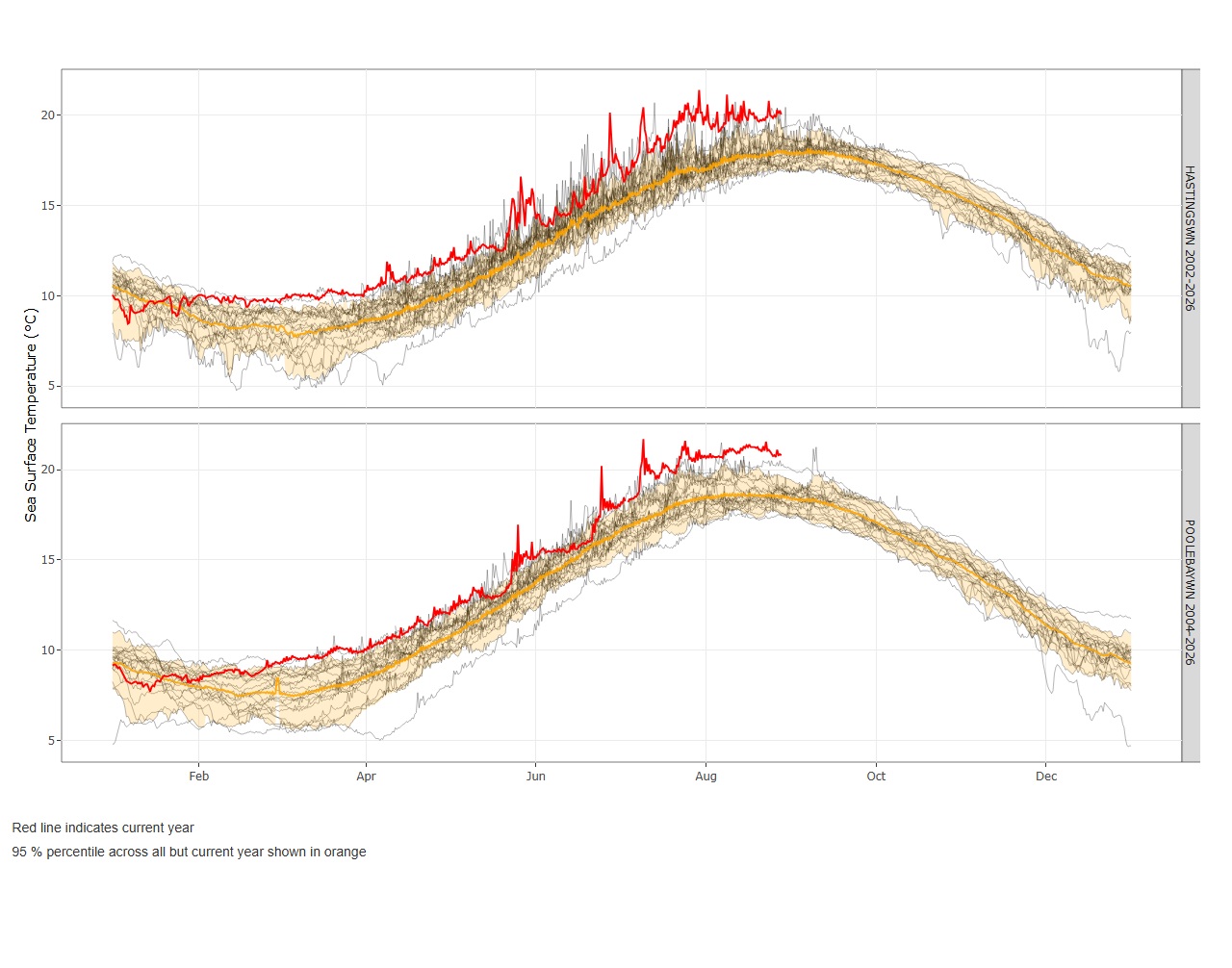
Figure 1: Sea surface temperatures for Hastings showing a prolonged period of unusually high sea temperatures from April, reaching record temperatures on July 29th. Monthly average based on data collected since 2002.
Figure 2: Sea surface temperatures for Poole Bay showing record temperatures on July 9th. Monthly average based on data collected since 2004.
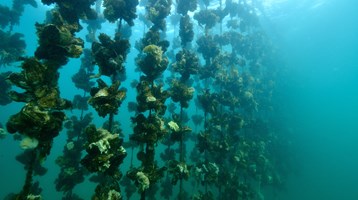
Marine heatwaves — prolonged periods of unusually high sea temperatures — can disrupt marine ecosystems, affect wildlife and increase risks for coastal industries including fisheries and tourism. They can also create conditions that make harmful algal blooms, disease outbreaks and non-native species more likely, with previous events linked to losses of some shellfish species and retreat of seagrasses meadows.
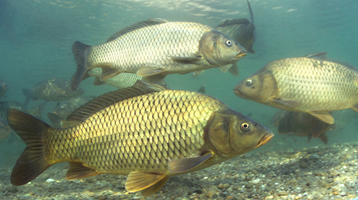
Previous Cefas research has suggested that warmer seas will have an impact on fish stocks in the future, with an increase in warm-water species, such as anchovy, bluefin tuna, squid and red mullet and a possible retreat of cold-water species, such as wolf-fish and Atlantic cod.
Dr Bryony Townhill, Senior Marine Climate Change Scientist at Cefas said:
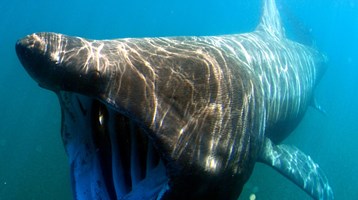
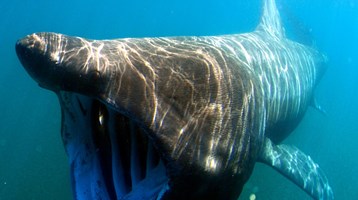
“We have received several reports of ecological changes linked to the high sea temperatures recorded this spring and summer. Large numbers of common octopus and unusual sharks continue to be reported from sites in the south-west, alongside ocean sunfish and jellyfish along the east coast — species more commonly associated with warmer waters.”
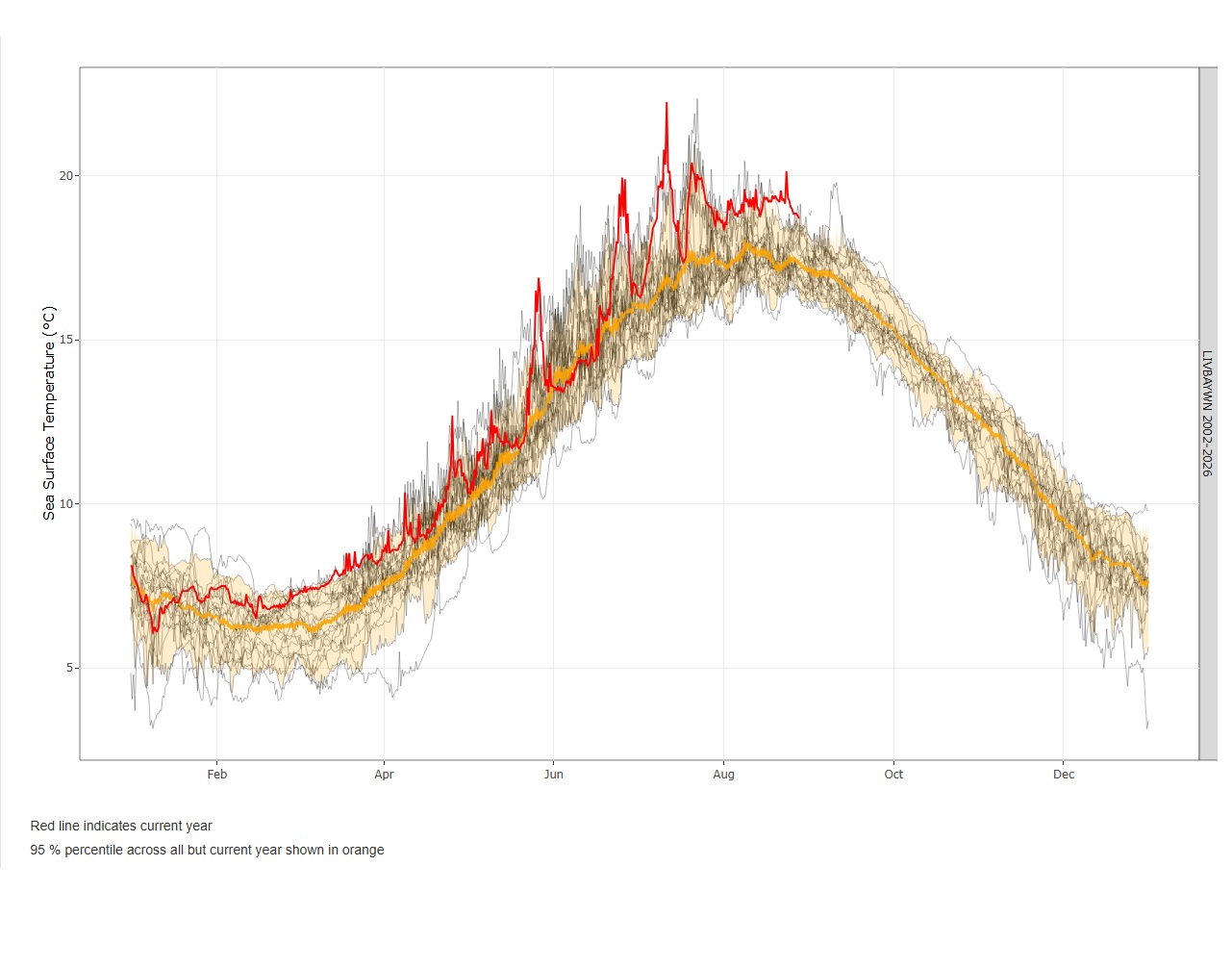
Figure 3: Sea surface temperatures for Liverpool Bay showing close to record temperatures at 22.3 °C on July 11th. Monthly average based on data collected since 2002.
Professor John Pinnegar, Principal Scientist and Lead Advisor for Climate Change at Cefas said:
“Our long-term datasets, including WaveNet and SmartBuoy, give us a vital picture of how UK seas are changing in real time. We have been tracking this event closely as it develops; now our focus is on analysing the data and working with partners to understand what these unusually warm seas could mean for marine ecosystems, industries and coastal communities in the years ahead”.
Established in 2002, WaveNet, provides real-time information on wave heights and seawater temperatures from wave buoys located around the UK coastline. The data, collected from a variety of third-party platforms and programmes (industry and public sector-funded), give an unprecedented insight into the changing conditions at sea around the UK.
Dr Tom Hull, Principal Investigator for Marine Autonomous Observations said:
“WaveNet provides live, autonomous data from around the UK’s coastline. This real-time picture helps us to see changes in UK sea temperatures as they happen, while also building the evidence base needed to understand short term changes within the context of longer-term trends.”
In this blog, Cefas and the Met Office highlight how WaveNet data is helping forecasters, local authorities, and scientists to better understand the risks and impacts of climate change on the marine environment and coastal communities.
News


Further Reading