How Cefas science has shaped the implementation of Remote Electronic Monitoring (REM)
9 November 2026
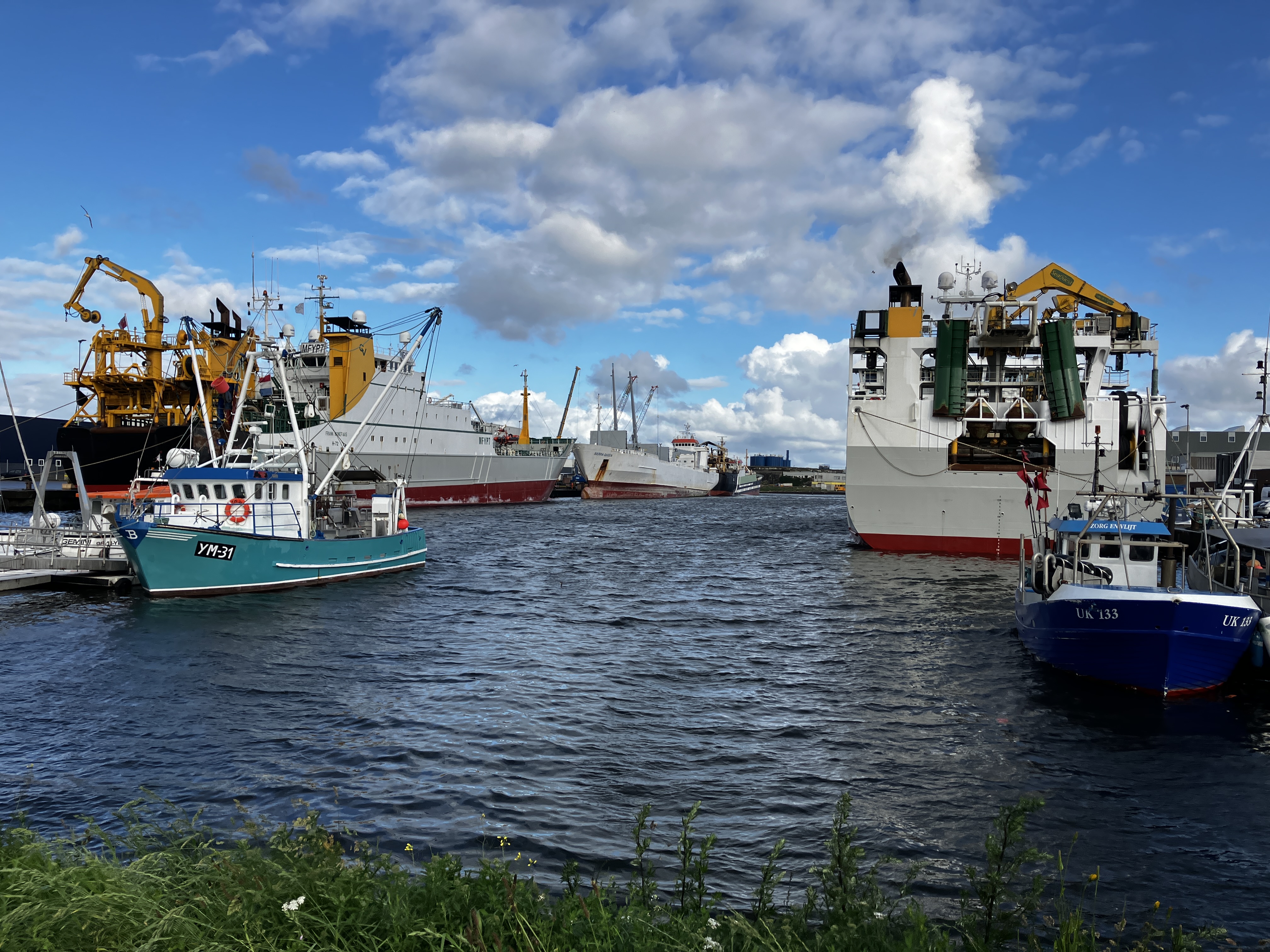
Today (09 November), Defra announced a significant step forward in rolling out Remote Electronic Monitoring (REM) in UK fisheries. Years of collaborative research and evidence gathering by Cefas have helped inform this development, demonstrating how science can support practical approaches to fisheries management.
REM uses cameras and sensors fitted to fishing vessels to collect information about fishing activity at sea. For more than a decade, Cefas has worked across government and with industry to understand the opportunities and challenges associated with REM. Through the early adopter programme, this collaboration has shown how REM data can strengthen scientific understanding of fishing operations and inform policy decisions.
Building on previous REM projects and trials, Cefas continues to develop and test monitoring approaches that offer a more complete picture of fishing activity and broaden the evidence available for fisheries management.
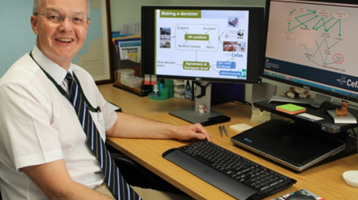
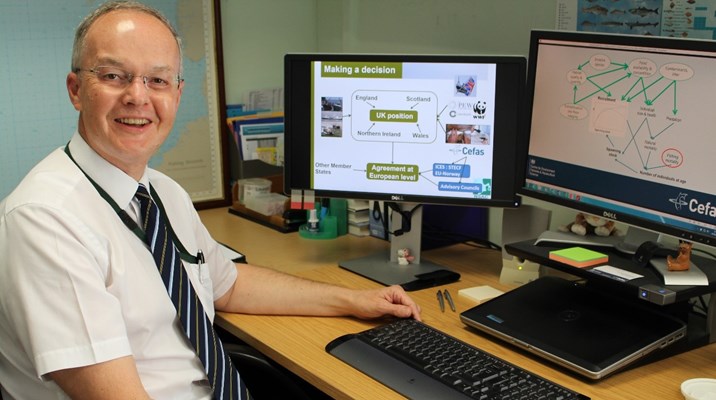
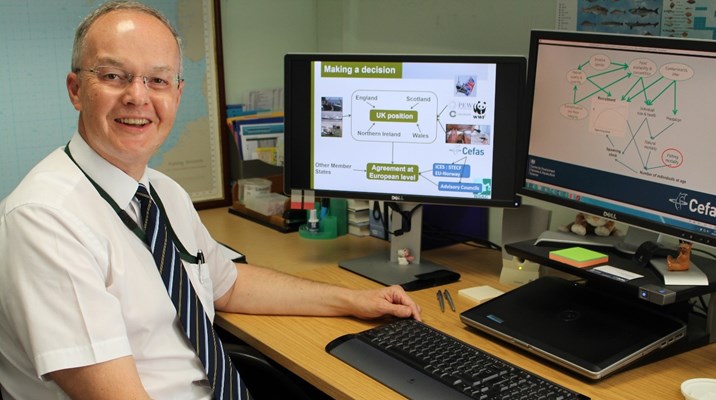
Thomas Catchpole, Head of Applied Fisheries Research at Cefas, said:
“Our research has helped us understand what it takes to make Remote Electronic Monitoring work well in practice—from collecting reliable information at sea to turning that data into scientific evidence. This provides a stronger basis for deciding how REM can support fisheries management.”
As REM continues to evolve, Cefas will continue developing the science and practical advice needed to help government and industry use it effectively, supporting sustainable fisheries management and healthy marine ecosystems.

Read more about our REM work on our marine science blog:
- Cefas and industry science collaborations: Fisheries monitoring, the electronic age – Marine Science
- Fish on Film: the challenges of using AI to improve sustainable fisheries management – Marine Science
- Fish, Camera, Action: Early adoption of Remote Electronic Monitoring on UK fishing vessels – Marine Science
- And that’s a wrap: Remote Electronic Monitoring (REM) Early Adopter phase on large pelagic vessels ends – Marine Science
Related to this article
Topic


Case studies


















People































































News


Further Reading